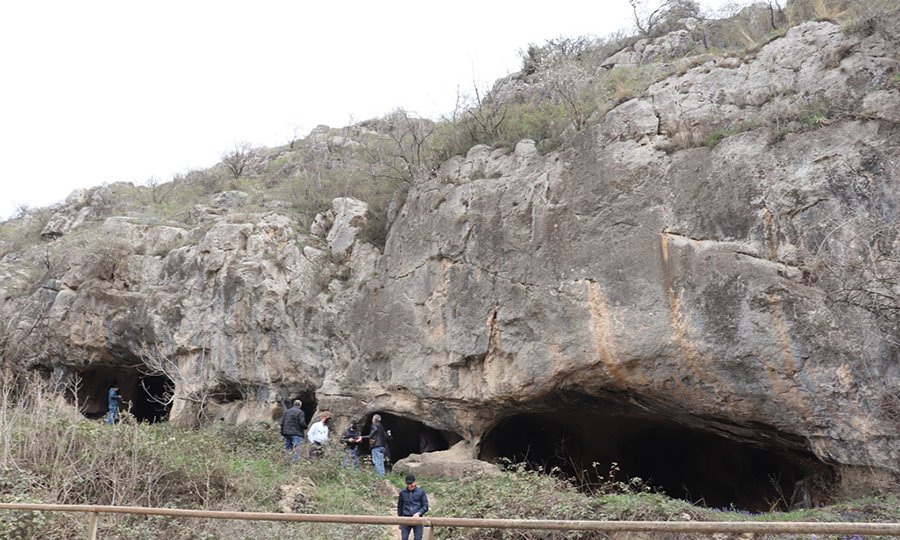
HUMAN Hub prepared the nomination dossier for the inscription of the Azikh and Taglar cave camps onto the UNESCO World Heritage Tentative List.
The two sites, located in the Khojavand district of Azerbaijan's Karabakh region along the Guruchay River valley, are among the most significant prehistoric archaeological monuments in the Caucasus.
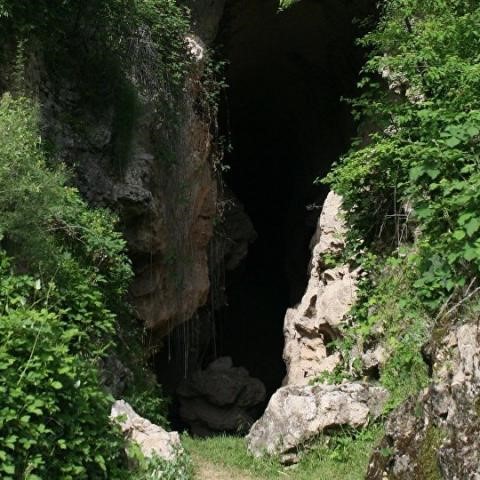
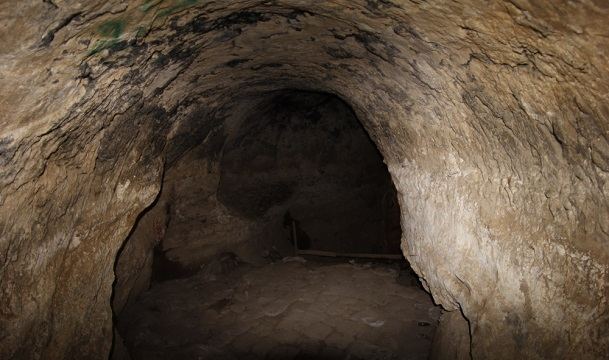
Azikh Cave is one of the rarest examples of ancient cave-type human settlements in the world and the only multi-layered monument belonging to the Lower Anthropogenic period. First identified as an archaeological site by Azerbaijani palaeontologist Mammadali Huseynov in 1960, the cave contains ten archaeological layers with a total sediment thickness of 14.5 meters. Finds include over 30,000 fossilized animal bones from the Lower Palaeolithic layers, four Acheulian-period fireplaces, and, most notably, a fragment of a jawbone from an early human of the Acheulian period, only the third such discovery worldwide. The cave's six interconnected chambers served as both dwelling and workshop for archanthropes and earlier hominins, providing evidence of habitation in the territory of Azerbaijan going back approximately one million years. The cultural assemblage found at the site gave rise to what is known in scientific literature as the "Guruchay culture."
Taglar Cave, located 3 kilometers from Azikh on the left bank of the Guruchay River, is one of Azerbaijan's most thoroughly studied Middle Palaeolithic sites. Researched by archaeologists Mammadali Huseynov and Asadulla Jafarov between 1963 and 1978, excavations revealed more than 7,000 stone tools and over 2,000 fossilized bones across six cultural sediment layers. The most intensive signs of hominin habitation were found in layer 4b and the upper part of layer 5, with significant hearth interlayers, accumulations of bones, coals, and flints. Habitation at the site is generally dated to the period from 64,000 to 24,000 years ago. Analysis of bone remains from the cave reveals shifts in local environmental conditions over time: the predominance of red deer remains in upper layers indicates a period of forestation, while bezoar goat bones in lower layers suggest a drier climate and more open terrain. Tools discovered at the site reflect a wide range of raw materials, including sedimentary stones (shale, flint) and volcanic stones (obsidian, andesite).
The scientific importance of both sites has been recognized internationally. In 2002, a delegation of 22 European scientists visiting under the INTAS-2000 program, led by Professor Henri de Lumley, examined finds from Azikh, Taglar, and other sites and acknowledged their exceptional value for world archaeology, paleontology, and paleoanthropology.
Both caves sustained damage from illegal excavations during the occupation period. Following liberation, the State Service for Protection, Development and Restoration of Cultural Heritage under the Ministry of Culture has taken steps to establish the "Azikh-Taglar Cave Camps" State Historical-Archaeological Reserve in Khojavand district.
The nomination, submitted as "Azikh and Taglar Caves: Prehistoric Sites of Azerbaijan," was accepted onto the UNESCO World Heritage Tentative List by decision of the 45th session of the UNESCO World Heritage Committee in Riyadh on September 23, 2023.
Project Gallery